 Yard
YardThe short version
| Hot mix asphalt | Cold patch | |
|---|---|---|
| Temperature when placed | Hot – roughly 275–300°F | Air temperature, straight from the bag or pile |
| Where you get it | Asphalt plant, by the ton | Home centers (bags) or plants (bulk) |
| How it hardens | Cools and is rolled into a dense mat | Solvents or emulsion slowly evaporate; traffic compacts it |
| Equipment | Paver or rakes, plate compactor or roller | Shovel and hand tamper (or a car tire) |
| Season | Plants usually run spring to fall | Any season, even in the cold |
| Life of a repair | Years – permanent when done right | Temporary: months, longer for premium products |
| Best for | New driveways, overlays, large or permanent repairs | Potholes, small patches, emergency fixes |
What is hot mix asphalt?
Hot mix asphalt (HMA) is crushed stone and sand coated with hot asphalt binder at a plant. It leaves the plant at around 300°F or more and must be spread and compacted while it is still hot – once it cools, it cannot be worked. Rolled hot mix forms a dense, stiff layer that bonds to the asphalt around it, which is why it is used for nearly every road, parking lot and driveway.
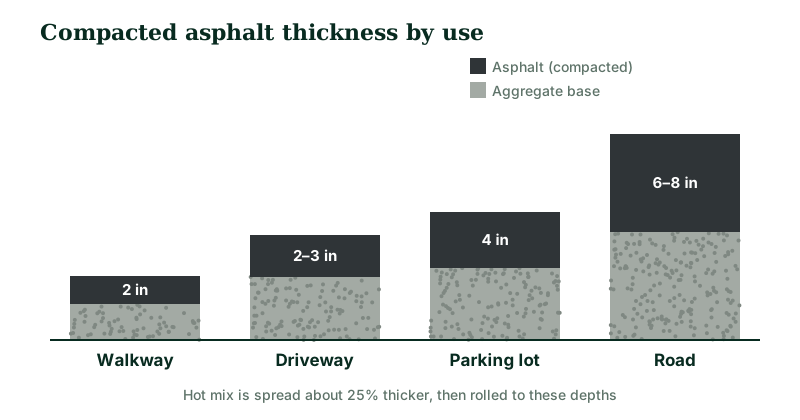
Hot mix is spread loose about 25% thicker than the finished depth and rolled down. A 2 inch compacted patch goes down at about 2½ inches. The asphalt calculator shows both the tons and this spread thickness.
What is cold patch?
Cold patch (cold mix) uses a binder that stays soft at normal temperatures – either asphalt thinned with a solvent or an asphalt emulsion. It comes in bags or tubs, or by the scoop from some plants, and you can shovel it straight into a hole. It hardens slowly as the solvent evaporates and as cars drive over it.
Basic cold patch is cheap and handy but often pushes out of the hole under traffic or washes out after a few freeze-thaw cycles. Premium "high-performance" or polymer-modified cold patch sticks better and lasts longer, sometimes for years in low-traffic spots, but it still does not match a properly compacted hot-mix repair.
When to use each
Choose hot mix when:
- You are paving a new driveway or laying an overlay.
- The repair is large – more than a few square feet – or carries heavy traffic.
- You want the repair to last as long as the pavement around it.
- A contractor is already on site with a roller.
Choose cold patch when:
- A pothole needs fixing now, and it is winter or the plants are closed.
- The hole is small and the traffic is light – a home driveway, a path, a parking space.
- You want a DIY fix with no equipment, accepting that you may redo it later.
A common approach is to cold-patch potholes in winter and have them cut out and replaced with hot mix in spring.
How to apply cold patch so it lasts
- Clean the hole. Remove loose stone, dirt and standing water. Cold patch will not stick to dust or puddles.
- Square up the edges if you can. Vertical sides hold the patch better than a shallow, saucer-shaped hole.
- Fill in layers. For holes deeper than about 2 inches, add cold patch in 1–2 inch layers and tamp each one.
- Overfill slightly. Leave the patch about ½ inch above the surface, then compact it hard with a hand tamper, a plate compactor or by driving over it slowly.
- Keep heavy traffic off for a day or two if you can, and check it after the first week – re-tamp or top up any low spots.
How much cold patch do you need?
Most cold patch comes in 50 lb bags. At roughly 140 lb per cubic foot compacted, one bag fills about 0.36 cubic feet – about 4 square feet at 1 inch deep, or 2 square feet at 2 inches. Measure each hole's length, width and depth, then:
Cubic feet = length (ft) × width (ft) × depth (in) ÷ 12
Bags = cubic feet ÷ 0.36, rounded up
| Pothole size | Depth | Volume | 50 lb bags |
|---|---|---|---|
| 1 × 1 ft | 2 in | 0.17 cu ft | 1 |
| 2 × 2 ft | 2 in | 0.67 cu ft | 2 |
| 3 × 3 ft | 3 in | 2.25 cu ft | 7 |
| 4 × 4 ft | 3 in | 4.0 cu ft | 12 |
Add 10–15% for overfilling and compaction. Brands differ, so check the coverage printed on the bag. For larger areas, choose "cold mix" in the asphalt calculator and it returns the bag count.
Getting a hot-mix repair right
A good hot-mix patch starts with a saw-cut rectangle around the damage, a few inches into sound pavement. The broken asphalt is removed, the base is repaired and compacted, and the vertical edges get a tack coat so the new mix bonds. The hot mix is placed in lifts no thicker than about 3 inches and rolled while hot. Infrared repair – heating the old surface and blending in new mix – is another option for some patches.
If potholes keep coming back in the same place, the problem is usually the base or drainage, not the surface. No patch lasts on a failed base. See the driveway layers guide for how a base should be built.
Weather and timing
Hot mix needs warm, dry conditions: most paving crews want an air temperature of at least about 40–50°F and rising, and no rain, because the mix must stay hot long enough to compact. That is why plants close or cut back in winter. Cold patch can go down in the cold, but it stays stiffer and bonds better when it is warmer – keep bags indoors before use so the mix is easier to work. In any season, clear water and ice out of the hole first; a patch laid over standing water will not stick. For bigger jobs, plan permanent hot-mix repairs for late spring to early fall.
Cost and value
Per ton, bagged cold patch costs much more than hot mix from a plant, but you can buy it a bag at a time and do the job yourself. Hot mix is cheaper per ton but usually comes with minimum orders, delivery and labor, so it only makes sense for bigger repairs or when a contractor is already paving. Compare your quotes with the cost field in the asphalt calculator, and read the bag vs bulk guide for how minimums change the math.
Frequently Asked Questions
Is cold patch as good as hot mix?
No. Cold patch is a convenient temporary repair; properly compacted hot mix is permanent. Premium cold patch can last for years in light traffic, but it rarely matches hot mix.
How many bags of cold patch do I need?
One 50 lb bag fills about 0.36 cubic feet – about 4 sq ft at 1 inch or 2 sq ft at 2 inches deep. Add 10–15% for overfilling. The asphalt calculator counts bags for larger areas.
Can you put cold patch down in the rain or snow?
It can be placed in cold weather, which is its main advantage, but standing water stops it bonding. Clear the water and debris out of the hole first, then tamp the patch hard.
Can you put hot mix over cold patch?
It is better to remove the cold patch first. Its soft binder can bleed and leave a weak spot under a new hot-mix layer.