 Yard
YardCalculate mulch
How these numbers are worked out: methodology & data sources
How to use the mulch calculator
- Choose the bed shape and enter its size in feet. For a tree ring, use the circle option and enter the diameter.
- Enter the mulch depth. Most beds need 2–3 inches.
- Pick your bag size if you are buying bagged mulch. 2 cubic feet is the most common size.
- Add prices to compare bulk and bagged cost.
Mulch formula
Cubic yards = Cubic feet ÷ 27
Bags = Cubic feet ÷ bag size (round up)
Worked example
A 20 ft × 5 ft bed at 3 inches deep: 100 sq ft × 3 ÷ 12 = 25 cubic feet = 0.93 cubic yards. In 2 cu ft bags that is 12.5, so you would buy 13 bags.
How deep should mulch be?
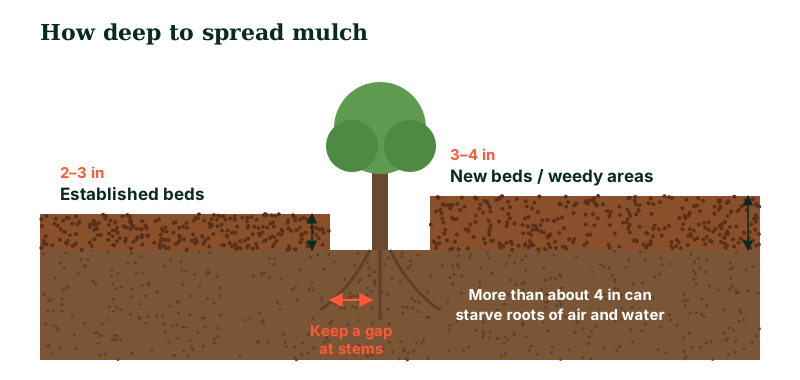
| Use | Depth | Why |
|---|---|---|
| Flower and shrub beds | 2–3 in | Holds moisture and blocks light to weed seeds. |
| Top-up of last year's mulch | 1–2 in | Old mulch is still there; avoid piling it too deep. |
| Around trees | 2–3 in | Keep mulch a few inches away from the trunk; avoid "mulch volcanoes". |
| Paths and play areas | 3–4 in or more | Foot traffic packs mulch down. Playground surfacing has its own safety standards — follow the product's guidance. |
Bags per cubic yard
| Bag size | Bags per cubic yard |
|---|---|
| 1 cu ft | 27 |
| 1.5 cu ft | 18 |
| 2 cu ft | 13.5 |
| 3 cu ft | 9 |
How much area does a yard of mulch cover?
One cubic yard (27 cubic feet) covers about 162 sq ft at 2 inches, 108 sq ft at 3 inches and 81 sq ft at 4 inches.
Bulk vs bagged mulch
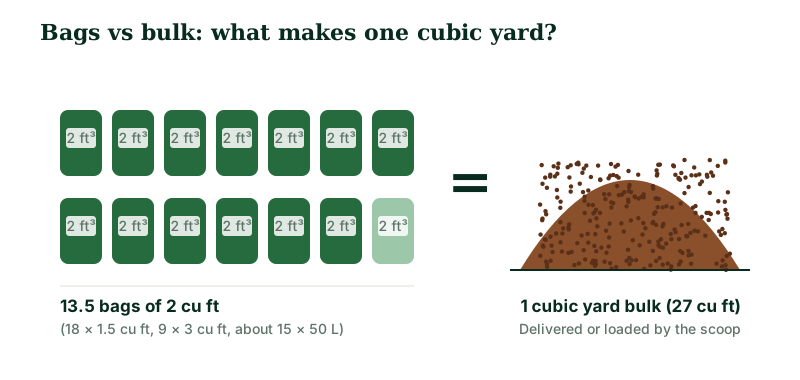
For more than a few yards, bulk mulch is usually cheaper per yard and creates less plastic waste, but you need space for the delivery pile. Bags are easier to carry for small beds and touch-ups. Put both prices into the calculator to see the difference for your project.
Mulching tips
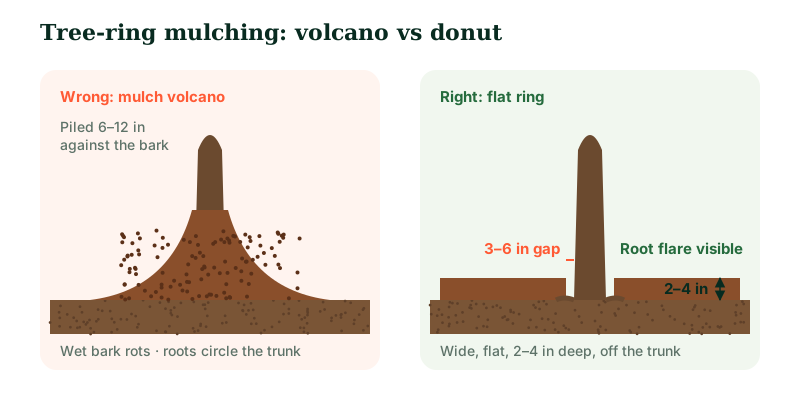
- Weed and water the bed before mulching.
- Edge the bed so mulch does not wash onto the lawn.
- Do not pile mulch against plant stems or tree trunks.
- Refresh organic mulch each year as it breaks down.
Keep going
Related calculators
Frequently Asked Questions
How many bags are in a cubic yard of mulch?
A cubic yard is 27 cubic feet, so it equals 13.5 bags of 2 cu ft, 18 bags of 1.5 cu ft or 9 bags of 3 cu ft. A 50 litre bag holds about 1.77 cu ft, so roughly 15.3 bags make a yard. Compare the bag and bulk cost fields above, or read the bag vs bulk guide for the break-even point.
How much mulch do I need for a 10x10 area?
At 3 inches deep, a 10 × 10 ft area needs 25 cubic feet: about 0.93 cubic yards or 13 bags of 2 cu ft mulch.
How deep should mulch be?
Spread 2–3 inches on established beds and 3–4 inches on new beds or where weeds are a problem. Thinner layers do not block weeds; much more than 4 inches can stop water and air reaching roots. Pine straw and coarse bark can go a little deeper because they settle. Keep mulch pulled back from stems and trunks – see mulch volcanoes and tree rings.
How much does a yard of mulch weigh?
It varies a lot with the material and how wet it is. Wood mulch is much lighter than gravel; check the weight with your supplier if you are hauling it yourself.
How many square feet does a 2 cu ft bag cover?
About 12 sq ft at 2 inches deep, 8 sq ft at 3 inches and 6 sq ft at 4 inches.
How many bags of mulch do I need?
Enter your bed size and depth in the calculator above and pick a bag size (1.5, 2 or 3 cu ft, or 50 L) – it returns the bag count rounded up. As a quick rule, one 2 cu ft bag covers 12 sq ft at 2 inches or 8 sq ft at 3 inches, so a 100 sq ft bed at 3 inches takes about 13 bags. For bigger beds compare the price of bagged vs bulk mulch.
What is a mulch volcano and why should I avoid it?
A mulch volcano is mulch piled high against a tree trunk. It keeps the bark wet, invites rot, insects and rodents, and can make roots circle the trunk. Spread mulch in a wide, flat ring 2–4 inches deep and keep it 3–6 inches away from the trunk. Our tree-ring mulching guide shows how to fix an existing volcano.
Which mulch type lasts longest?
| Mulch type | Best for | Depth | Typical life |
|---|---|---|---|
| Shredded hardwood | Beds and slopes (it knits together) | 2–3 in | About 1 year |
| Bark nuggets | Low-traffic beds, around shrubs | 3–4 in | 2–3 years |
| Pine straw | Acid-loving plants, slopes | 3–4 in (settles) | 6–12 months |
| Rubber mulch | Playgrounds and play areas | 2–3 in (6 in under play equipment) | 10+ years |
| Stone / rock | Permanent beds, drainage areas | 2–3 in | Permanent (top up) |
Organic mulches break down and feed the soil, so a shorter life is not all bad. Work out stone with the gravel calculator.
How often do I need to re-mulch?
Most organic mulch needs a top-up once a year, usually in spring, adding about 1 inch to bring the layer back to 2–3 inches. Check the depth first rather than piling new mulch on a thick layer. Bark nuggets may only need refreshing every two to three years, and rubber or stone rarely. Enter a 1 inch depth above to size a top-up, and see the tree-ring guide before mulching around trees.
How deep should rubber mulch be for a playground?
The U.S. Consumer Product Safety Commission's Public Playground Safety Handbook lists 6 inches of shredded rubber mulch as protecting falls from up to about 10 feet. Use at least 6 inches under play equipment, follow the equipment maker's guidance, and top up high-traffic spots where it gets kicked out. Our methodology page lists the sources we use.